With so many courses in the world of finance, it is obvious to get confused about which one to pick. Each and every one of them has its own advantages and career prospects. As a result, it is typical to wonder which of the courses to do and in what order to complete them.
In this article, I will specifically discuss the two most infamous courses of finance: Chartered Accountancy (CA) and Financial Risk Manager (FRM) and benefits of doing FRM after completing CA.
The Curriculum Overlap
When it comes to comparing the curriculum of the CA (Chartered Accountant) program with that of the FRM (Financial Risk Manager) program, it is important to note that both programs have their own distinct focus and areas of expertise. However, there are some areas of overlap and complementarity between the two as well.
- Starting with the CA program, it primarily focuses on financial accounting, taxation, auditing, and general business knowledge. The curriculum is designed to provide students with a strong foundation in accounting principles, financial reporting, and the legal aspects of finance. Graduates of the CA program often pursue careers in public accounting firms, corporate finance departments, or financial consulting.
- On the other hand, the FRM program is more specialised and focuses specifically on the management of financial risk. The curriculum covers topics such as market risk, credit risk, operational risk, and investment management. The program aims to equip students with the knowledge and skills necessary to identify, analyse, and manage risk in various financial settings. FRM holders often find employment in risk management departments of banks, investment firms, and insurance companies.
In terms of overlap, both programs have coursework related to financial reporting and analysis. While the CA program provides a broader understanding of financial statements and reporting standards, the FRM program delves deeper into the analysis and interpretation of these financial statements from a risk perspective. Furthermore, the CA program’s focus on taxation and auditing can complement the FRM program by providing an understanding of the regulatory and compliance aspects of finance. This overlap allows students to develop a comprehensive understanding of financial reporting and its implications for risk assessment and management. Both programs provide a solid foundation in financial knowledge, with the CA program focusing more on accounting principles, while the FRM program delves deeper into risk management.
Creating a Strong Profile
For the professional fields like risk management or financial advisory services, having a combination of CA and FRM certifications can significantly enhance credibility and expertise. By combining these two certifications, individuals are able to demonstrate a comprehensive understanding of both the underlying financial principles and the intricate world of risk management. This not only enhances their credibility among clients and employers but also strengthens their expertise in providing comprehensive financial advice and risk mitigation strategies.
Better Salary and Opportunities
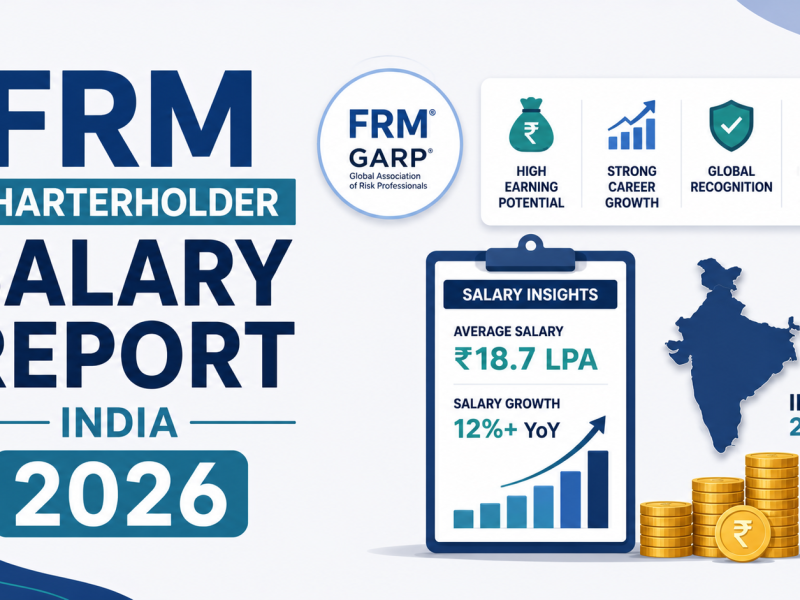
One of the key benefits of adding an FRM qualification to a CA background is the potential for a significant salary increase. The Financial Risk Manager (FRM) certification is highly regarded in the finance industry, and professionals who hold this qualification often command higher salaries compared to those who only possess a CA designation. This is primarily because the FRM certification demonstrates expertise and specialised knowledge in the field of risk management, which is highly valued by employers. With an FRM qualification, individuals can expect to unlock lucrative job opportunities in risk management, investment banking, asset management, and other related fields. Moreover, the demand for risk management professionals is on the rise, especially in the wake of the global financial crisis and the increasing complexity of financial markets.
Therefore, by combining a CA background with an FRM certification, individuals can position themselves as highly sought-after candidates, capable of driving strategic decision-making and ensuring the financial stability of organisations. Ultimately, obtaining an FRM qualification not only opens doors to new career prospects but also paves the way for substantial salary growth and professional advancement.
Potential Career Paths
By combining a CA qualification with an FRM certification, individuals can unlock a varied range of exciting career paths and job opportunities. The CA qualification, with its focus on accounting and finance, provides a solid foundation in financial reporting, auditing, taxation, and other crucial areas. On the other hand, the FRM certification offers expertise in risk management, including topics like financial markets, derivative instruments, and risk measurement techniques.
When professionals possess both qualifications, they gain a distinct advantage in the job market. Their comprehensive skill set makes them valuable assets to organisations across various industries. They can thrive in roles that involve financial analysis, risk assessment, compliance, internal audit, and more. Whether it be in accounting firms, investment banks, consulting companies, or even regulatory agencies, individuals with a CA qualification and an FRM certification are highly sought after for their ability to navigate complex financial landscapes with proficiency and precision.
Summing Up with Some Preparation Tips
To prepare for and pass the FRM exam, CA professionals can follow a systematic approach that combines effective study tips, reliable resources, and recommended study materials:
- Begin by familiarising yourself with the exam syllabus and understanding the exam format and structure. This will help you identify the key areas you need to focus on during your preparation.
- Next, create a study plan that suits your schedule and learning style. Break down the syllabus into smaller topics and allocate specific time slots for each topic. Consistency is key here, so make sure to stick to your study plan and revise regularly to test your understanding of the concepts.
- To enhance your knowledge and grasp of the subject matter, utilise reputable study materials specifically designed for the FRM exam. These can include textbooks, study guides, and online courses from recognized providers. It is recommended to refer to multiple sources to gain different perspectives and insights. I recommend using Kaplan Schweser Notes and GARP provided materials for concept building and understanding.
- Utilise practice questions and past exam papers to assess your progress and identify any weak areas that may require more attention. My topmost recommendation for practice questions would be Analyst Prep, Bionic Turtle and Schweser Question Bank.
- Additionally, consider joining study groups or online forums where you can discuss concepts and learn from others’ experiences. This collaborative approach can provide valuable insights, clarify doubts, and create a supportive environment for your studies. The WallStreet School provides our students with an active mentor-peer discussion forum for doubt solving. So utilise these resources wisely for a productive outcome.
- As the exam date approaches, simulate exam conditions by taking full-length practice tests. You can also refer to GARP provided sample papers for practice exams. This will help you manage your time effectively and get accustomed to the pressure and intensity of the actual exam. Analyse your performance in these practice tests to determine areas of improvement and adjust your study plan accordingly.
- Lastly, take care of your physical and mental well-being during the preparation period. Ensure you get enough rest, exercise regularly, and maintain a balanced diet. Taking breaks and engaging in recreational activities will help prevent burnout and keep your mind fresh and focused.
In summary, preparing for and passing the FRM exam requires a well-structured approach that includes understanding the exam syllabus, creating a personalised study plan, utilising reliable study materials and resources, practising regularly, simulating exam conditions, and taking care of your overall well-being. By following this step-by-step guide, CA professionals can set themselves up for success in the FRM exam.
To sum it up, the synergy between a CA qualification and an FRM certification unlocks a world of opportunities and paves the way for an exciting and successful career journey. It empowers individuals to excel in diverse roles, tackle complex challenges, and make a meaningful impact in the ever-evolving realm of finance and risk management.