
FRM Part 1 Coaching Program Online

HD Video Content
Placement Assistance
Access Anytime
Industry Expertise
FREE DEMO
We are here to help you!
Results That Are Hard to Ignore
Outcomes that reflect our commitment to real skills, guided learning, and long-term student success.
Trained
Granted
Hours
Operations
Building world-class accounting and finance professionals through rigorous, practical and industry-driven learning.




Super Mentor
Hargun Singh, FRM, CFA
- 7+ Years in Investment Banking (Ex Edelweiss, ICICI Securities)
- Closed 25+ major transactions including IPOs & M&As
- Mentored 250+ students for global finance certifications
- Closed 25+ major transactions including IPOs & M&As
- Mentored 250+ students for global finance certifications
Is FRM the Right Fit for You?
Answer a few quick questions to see how FRM fits your background, risk interest, and career stage, and get a clear next step.
FRM Part I Course Curriculum
Comprehensive, concept-driven, and industry-focused curriculum with a deep emphasis on risk management.
Foundations of Risk Management
- Basic Concepts of Risk Management: Understanding the role and importance of risk management in financial institutions.
- Risk Management Frameworks: Overview of frameworks and standards used in risk management.
- Corporate Governance: The relationship between risk management and corporate governance.
Quantitative Analysis
- Probability Theory: Fundamental concepts of probability and their applications in risk management.
- Statistical Inference: Hypothesis testing, confidence intervals, and applications in finance.
- Regression Analysis: Understanding and applying linear regression models to financial data.
- Time Series Analysis: Basics of time series modeling and forecasting techniques.
- Monte Carlo Simulation: Techniques for simulating risk and evaluating outcomes in uncertain environments.
Financial Markets and Products
- Structure of Financial Markets: Overview of different types of financial markets and their roles.
- Financial Instruments: Characteristics and valuation of various financial instruments, including bonds, stocks, and derivatives.
- Derivative Products: In-depth analysis of derivatives such as futures, options, swaps, and their uses in hedging and risk management.
- Fixed Income Markets: Understanding the bond markets, including interest rate risk, credit risk, and pricing of fixed-income securities.
Valuation and Risk Models
- Valuation of Derivatives: Introduction to pricing models for options and other derivatives, including the Black-Scholes model.
- Value at Risk (VaR): Concepts and calculation of VaR, including historical, parametric, and Monte Carlo approaches.
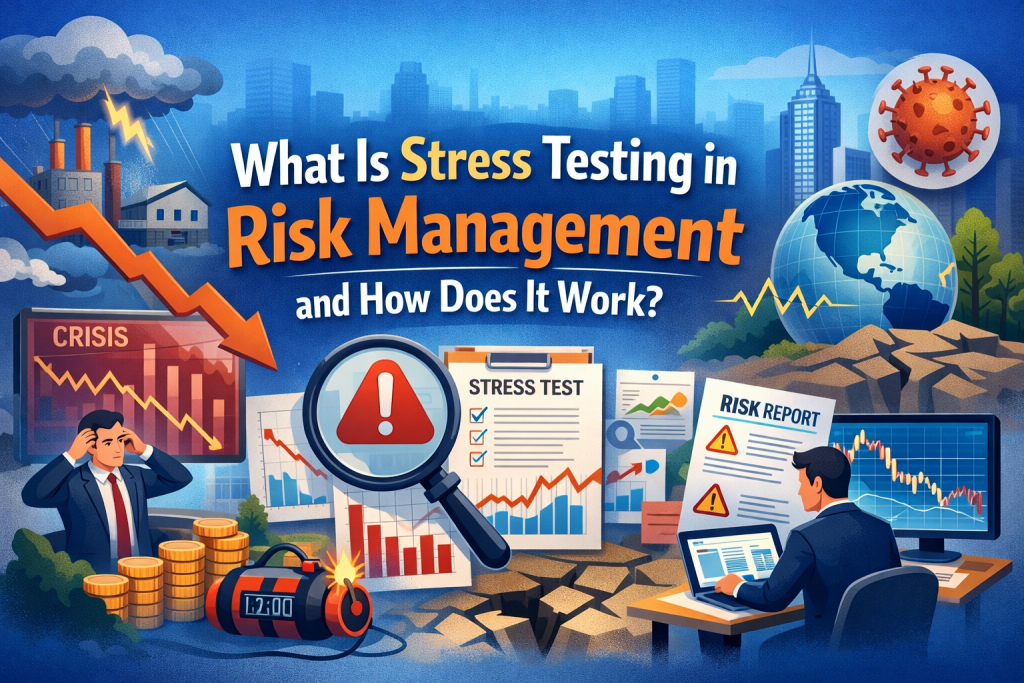
- Stress Testing: Techniques for assessing the impact of extreme market conditions on portfolios.
- Credit Risk Models: Basic credit risk modeling techniques, including structural and reduced-form models.
- Risk Measures: Understanding and application of different risk measures, including expected shortfall and scenario analysis.
FRM Part 1 Course Fees & Admission
The FRM course (Part 1) is designed for anyone who wants to build a strong foundation in financial risk management. It covers key areas like market risk, credit risk, operational risk and liquidity risk to help you understand how real-world risks are identified and managed. At The Wall Street School, your progress is valued at every step and each milestone you achieve during the FRM journey is recognized and celebrated
FRM Part I - Pre-recorded
Self-paced Course
- Unlimited Mock Exams
- An Extensive Question Bank
- Personalized Doubt-solving Sessions.
FRM Part I
Classroom/Live Course (4 Months)
- Unlimited Mock Exams
- An Extensive Question Bank
- Personalized Doubt-solving Sessions.
Real Results Since 2009
Mentored by Hargun Sir, the FRM Part 1 course focuses on clear concepts, practical insights, and structured preparation, helping students build strong fundamentals and approach the exam with confidence.
Trained
Granted
Hours
Operations
Love From Our Students
Explore firsthand accounts of student experiences. Hear their stories, triumphs, and insights that make our community exceptional. Real voices, real impact.
FRM Course Related Posts
Fresh Thinking and Practical Wisdom for Tomorrow’s Finance Leaders


From Financial Modeling to FRM: Why Mithun Decided to Go Deeper into Risk Management
Frequently Asked Questions
Everything You Need to Know Before You Get Started
What is FRM® Part 1?
Global Reach: Over 87,000 FRM-certified professionals worldwide.
Exam Focus: FRM Part 1 covers foundational elements of risk management, including risk management tools, quantitative analysis, financial markets, and valuation techniques.
Passing Rate: The global pass rate for FRM Part 1 is approximately 45%.
Program Duration: Typically takes 6-12 months to complete, depending on study time and preparation.
Curriculum Updates: Regularly updated to include the latest industry trends, regulatory changes, and emerging risks in financial markets.
Candidate Requirement: No specific work experience is required to sit for FRM Part 1, but a background in finance, mathematics, or economics is beneficial.
Annual Enrollment: Thousands of candidates globally register for FRM Part 1 each year, reflecting the growing demand for risk management expertise.
Why Choose FRM® Prgram?
Global Recognition: Over 87,000 FRM-certified professionals in more than 160 countries, recognized as leaders in financial risk management.
Rigorous Curriculum: Divided into two parts, covering essential risk management topics, from quantitative analysis to advanced risk management practices, with global pass rates of approximately 45% for Part 1 and 50% for Part 2.
Career Advancement: Enhances career opportunities in risk management, financial analysis, regulatory compliance, and consulting across various industries.
Industry-Relevant Standards: Emphasizes practical, real-world risk management applications, aligned with the latest industry standards and evolving regulatory requirements.
High Demand: Highly regarded by top financial institutions, regulators, and global firms as the benchmark for risk management professionals.
Professional Growth: Requires two years of relevant work experience, ensuring that certified professionals possess both theoretical knowledge and practical expertise.
Program Duration: Typically 1-2 years to complete, offering flexible study options that accommodate working professionals.
Annual Enrollment: Thousands of candidates worldwide register for the FRM exams each year, reflecting its growing importance and demand in the global financial industry
What career opportunities can one pursue after completing FRM?
- Risk Analyst: Start your career in risk management by analyzing and assessing various types of financial risks.
- Credit Risk Analyst (Entry Level): Begin working in credit risk assessment, focusing on evaluating the creditworthiness of borrowers.
- Market Risk Analyst (Entry Level): Enter the field of market risk, analyzing risks associated with market movements such as interest rates and currencies.
- Operational Risk Analyst (Entry Level): Gain experience in identifying and mitigating operational risks within an organization.
- Risk Management Associate: Support senior risk managers in implementing risk management strategies and processes.
- Quantitative Analyst (Junior Role): Assist in developing and applying quantitative models to measure financial risks.
- Compliance Analyst: Begin a career ensuring that financial activities comply with regulatory standards, particularly in risk management.
- Treasury Analyst (Entry Level): Start working in corporate treasury, focusing on managing financial risks related to liquidity and funding.
- Risk Reporting Analyst: Prepare and analyze reports that communicate risk exposures and assessments to management.
- Consulting Analyst: Join a consulting firm as an entry-level analyst, focusing on risk management projects for clients.
Who is eligible for the FRM program?
Educational Requirements:
Part 1: No specific educational prerequisites; however, a strong foundation in finance, mathematics, or economics is beneficial.
Part 2: Successful completion of FRM Part 1 is required to register for Part 2.
Professional Experience:
Work Experience: While no prior work experience is required to sit for the exams, two years of full-time professional work experience in financial risk management or a related field is needed to become certified as an FRM.
Exams:
Part 1: Open to anyone with an interest in risk management; no prior finance certification required.
Part 2: Must successfully complete FRM Part 1 before attempting Part 2.
Ethical Standards:
Commitment: Candidates must agree to adhere to GARP’s Code of Conduct, which emphasizes ethical behavior and professional integrity.
Financial Resources:
Program Fees: Ability to pay the registration and exam fees for both Part 1 and Part 2.
Language Proficiency:
English: Proficiency in English is required as all exam materials and communications are in English.
What's subject we have in FRM curriculum?
FRM Part I focuses on understanding of risk and financial risk. It covers:
Foundations of risk management concepts
Quantitative analysis
Financial markets and products
Valuation and risk models
The FRM Exam Part II cover in-depth concepts of Market Risk, Credit Risk , Liquidity Risk , etc . It covers:
Market risk measurement and management
Credit risk measurement and management
Operational and integrated risk management
Liquidity and treasury risk measurement and management
Risk management and investment management
Current issues in financial markets
What is the frequency of the update in curriculum?
GARP (Global Association of Risk Professionals) aims to uphold a high-quality curriculum and the related study materials for their program. To ensure that the content remains current and precise, GARP conducts an annual review of the curriculum. Revisions and updates are implemented, and new study materials are typically made available on December 1st for the subsequent calendar year. This practice ensures that the FRM program’s content remains up-to-date and in line with the evolving field of financial risk management.
How many hours I need to dedicate for FRM exam?
The amount of time required to prepare for the FRM (Financial Risk Manager) examination can vary significantly from person to person based on factors such as your background knowledge, experience, study habits, and familiarity with the material.
However, GARP (Global Association of Risk Professionals) recommends that candidates devote approximately 200-240 hours of study time for each part of the FRM Exam. This is a rough guideline and the actual time needed may vary.
Keep in mind that the FRM Exam covers a comprehensive range of topics related to financial risk management, including quantitative analysis, risk management foundations, risk modeling, market risk, credit risk, operational risk, and more. It’s important to allocate sufficient time for both reviewing the study materials and practicing with mock exams and practice questions to ensure a thorough understanding of the concepts and a successful exam outcome.
What are pre-requite for FRM program?
Before enrolling in the FRM Program, no specific educational or professional prerequisites are required. You can register for the program without needing any specific qualifications or prior experience.
How one can earn FRM Charter ?
- To earn the FRM Certification, you must complete the following steps:
- Successfully clear the FRM Exam Part I.
- Pass FRM Exam Part II by the end of the fourth year after passing FRM Part I.
- Provide evidence of two years of full-time work experience in a relevant financial risk management role.
How difficult or complex the FRM exam?
The FRM Exam incorporates a moderate level of quantitative content. The mathematical complexity of the exam is akin to that of an advanced undergraduate or an introductory graduate-level finance course commonly taught at universities. While the FRM Exam emphasizes conceptual understanding, candidates are expected to be familiar with essential formulas and calculations and should be capable of their accurate application. It’s important to note that formula sheets are not provided during the exam.
How one can defer the exam if not prepared properly?
To postpone an upcoming FRM Exam to the next available session, follow these steps:
- Log in to your GARP account on the designated platform.
- Navigate to the “My Programs” section.
- Locate and select the “Exam Setup” button for the FRM Program.
- Please note that switching exam months requires a paid registration.
- You can change your exam date once for a fee of USD 250.
- The deadlines for switching your exam month are as follows:
- For May’s Exams, the last day to switch is March 31.
- For the August Exam, the last day to switch is June 30.
- For November’s Exams, the last day to switch is September 30.
- Remember, you can defer your exam date within the specified periods and for a fee, but make sure to complete the process before the respective deadline for the desired exam session.
- This is information is as per the GARP current guideline, may change in future.
What is the fees of the FRM exam?
- For Early registration : $600
- For standard Registration $800
#Exclude the transaction cost.
What does the FRM® certification represent?
- It is a globally respected financial risk management certification awarded by GARP, designed for professionals working in market risk, credit risk, operational risk, liquidity risk, and enterprise risk roles.
Why is FRM considered a strong career option in finance?
It opens doors to high-growth FRM career opportunities in investment banks, consulting firms, asset management companies, fintechs, and global financial institutions.
Which institute is considered among the best FRM coaching institutes in India?
The Wall Street School is widely recognized as one of the best FRM coaching institutes, with strong results, experienced faculty, and proven placement outcomes across India.
Does TWSS provide FRM coaching with placement support?
- Students receive structured FRM coaching with placement assistance, including career guidance, assessment-based placement pooling, and a success-based placement model.
What modes of FRM coaching classes are available?
- Options include FRM classes online, classroom training, live virtual sessions, and pre-recorded programs with full access to doubt-solving support.
Is FRM coaching available in major Indian cities?
- Training is accessible through FRM coaching in Delhi, FRM classes in Mumbai, and online delivery across India, including Bangalore, Chennai, Pune, Jaipur, and Hyderabad.
Can students enroll from anywhere in India?
- The FRM online course in India allows learners to join from any location while receiving the same structured training and mentoring.
What is included in the FRM training program?
- The program includes live or recorded sessions, FRM study material, a 2,500+ question bank, mock exams, formula sheets, and FRM online classes with doubt sessions.
Does the course cover the complete FRM syllabus?
- All core modules are covered, including Foundations of Risk Management, Quantitative Analysis, Financial Markets & Products, and Valuation & Risk Models, fully aligned with the official FRM syllabus.
Is this suitable for both FRM Part 1 and Part 2 preparation?
- The institute offers structured FRM Part 1 and Part 2 coaching, allowing candidates to progress seamlessly through both levels.
What is the eligibility for enrolling in the FRM course?
- There are no formal FRM course eligibility restrictions for Part 1, making it suitable for students, graduates, and working professionals.
How long does the FRM course take to complete?
- The typical FRM course duration for Part 1 is around 4 months, with 120+ guided learning hours.
How much time should be dedicated to FRM exam preparation?
- Candidates are advised to plan for 200–250 hours of FRM exam preparation for effective conceptual clarity and practice.
How difficult is the FRM exam?
- The exam is rigorous and application-focused, requiring disciplined preparation, strong quantitative skills, and regular mock practice.
Who teaches the FRM coaching classes?
- Sessions are led by industry professionals and certified experts with real-world exposure to risk management, capital markets, IPOs, and M&A transactions.
Are doubt-solving sessions provided?
- Students receive regular live doubt sessions and continuous support through discussion forums, ensuring strong conceptual clarity.
Does the course include financial markets coverage?
- Yes, the program includes in-depth coverage of FRM financial markets course components and practical risk applications.
Is TWSS suitable for professionals seeking a Financial Risk Manager course?
- The curriculum is designed for both fresh graduates and working professionals pursuing the Financial Risk Manager course for career advancement.
What are the FRM course fees at TWSS?
- The FRM course fees are competitively priced and vary by learning mode, with classroom, live online, and recorded options available.
Are placements available across India?
- Placement support extends across major hubs including Hyderabad, Bangalore, Chennai, Pune, Delhi, Mumbai, and Jaipur, supported by strong industry connections.
How does TWSS compare with other FRM institutes near me?
- With nationwide reach, online delivery, experienced mentors, and a strong placement record, TWSS is often preferred over local FRM institutes near me.
Is this program suitable for candidates searching for FRM classes near them?
- Both physical centers and online access make it suitable for those looking for FRM classes near me or flexible remote learning.
What kind of roles can one expect after completing FRM?
- Graduates commonly move into roles such as Risk Analyst, Market Risk Manager, Credit Risk Analyst, Portfolio Risk Specialist, and Risk Consultant.
Why choose TWSS for FRM coaching in India?
The combination of GARP-aligned curriculum, expert faculty, strong placement outcomes, flexible delivery modes, and nationwide presence makes it a leading choice for FRM aspirants.
Have Questions About Something?
Talk to Us
+91-9355057509
Drop an Email
info@thewallstreetschool.com
Visit Us
Corporate Headquarter: 11A, 3rd floor, Block H, Connaught Place, New Delhi - 110001
More From The WallStreet School
- FRM Level 2
- CFA Course
- FMAV Course
- CMA Course
- CFP Course
- ACCA Course
- CIMA Course
- AI for Finance
- Value Investing Course