
Stock Market Wizard Course Online

HD Video Content
Corporate Expertise
Training with Examples
Prebuilt for Analysis
FREE DEMO
We are here to help you!
Results That Are Hard to Ignore
Outcomes that reflect our commitment to real skills, guided learning, and long-term student success.
Trained
Granted
Hours
Operations
Building world-class accounting and finance professionals through rigorous, practical and industry-driven learning.




Super Mentor
CA Himanshu Jain
- 20+ years in investment banking, consultancy, and advisory.
- Worked with Mckinsey, Moody's, and PwC.
- Co-founded ARC Financial Services and The Wallstreet School.
- Provides impactful training at The Wallstreet School.
Super Mentor
CA Manoj Goel
- 19+ years in investment banking and consultancy.
- Worked with Goldman Sachs and Bennett Coleman.
- Co-founded ARC Financial Services and The Wallstreet School.
- Trains talent in investment banking at The Wallstreet School.
Not Sure which Course is for You?
Answer simple questions to find out now!
Take a quick quiz to find the course that fits your goals and skill level. Get a clear recommendation in just a few minutes.
Stock Market Wizard Course Curriculum
Each and every concept of stock market has been covered in depth in our modules. Given below is an index of the same.
Chapter 1: Introduction to Stock Markets
Background, Learnings from History and historical facts :
- CAGR return of PPF, Gold, Silver, real estate, Stocks for last 40 years
- Annual Returns of Investment of S&P 500
- BSE Return on last 10-20-30 years
- Time line of Major events in the World
- Indian Multi Baggers in last 25 years
- India’s Biggest Wealth creating companies and sectors in last 5 years
- How stock markets behaved in first half of 2020
- Stock Market Behaviour during Crisis of extreme nature historically
- An Analogy from Cricket
Chapter 2: Stock Analysis
Tools for Stock Market Analysis
- 6 Tools for Stock Market Analysis
- Practical example from BSE Alerts
- Why focus is important
- How to Time the Markets
- Inputs from Stock price movement of Amazon, Google and Reliance
- Sir Issac Newton on Stock Markets timing
- Practical examples of understanding timing the stocks and solving in Excel
- Who can time the markets
- Learnings from Berkshire Hathway Letter to shareholders 2019
Chapter 3: Common Mistakes made in stock markets
Mistake 1
- Jack Maa on Learning from Mistakes
- How many people make money in Stock Markets
- Percentage of profitable traders
- Mistake 1 elaborated with practical examples from stock markets
Mistake 2
- Mistake 2 Elaborated
- What happened on 23 April 2013
- Normal trap which investors fall prey
- What happens through Business Channels (practical example)
- Why and how stocks markets are considered Casino
- Practical examples of investors being fooled
- Insights from Bollywood
Mistake 3
- Practical example of Indian Companies
- Warren Buffett on Mistake 3
- Learning the power of compounding
- What is Special 26
- Which companies will grow
- Why we have to let our money work for us for financial independence
- Relating mistakes to Cricketing analogy
- What Oscar Figueroa teaches us about fundamental investing
Mistake 4
- Inputs from Warren Buffett
- Companies strategy on being asset light
- Personal experience of taking a housing loan
- Inferences from Berkshire Hathway Letter to shareholders 2017-2018-2020
- Amitabh Bachchan on Debt
Mistake 5
- Practical example about learning from Mistake 5
- What happens when you take a position
- What happened during Reliance AGM on 13 July 2020
- What happened during the start of Lockdown during Mar’20 end
- Issues with Derivatives Trading
- Warren Buffett Tips for Individual investors
- Summarizing all mistakes with a poem by Sh. Harivansh Rai Bachchan
Chapter 4: Alpha, Beta and Stock Portfolio
How Many stocks to own in a portfolio
- Inputs from Berkshire Hathway Letter to Shareholders’1978 and 2020
- Inputs from successful stock market veterans
- Rational for quality of stocks
- Inputs from Financial Analyst Journal 1972
- TWSS Analysis of performance of mutual funds in last 5 years and reasons
- Alpha and Beta
- Setting the context of Alpha and Beta
- What would be Rs 100 in 2010 for different asset classes
- Alpha Defined
- Beta Defined
- Video of Sushant Singh Rajput explaining Alpha and Beta
- Understanding Beta Levels
- Understanding Calculation of Beta in Excel
- Calculating Beta Calculation across different dates
- Comparing stock movement of high beta and low beta stocks with BSE Sensex across sectors
- What is Comfortable Beta Level
- Story of a Man with a Balancing stick
Chapter 5: Understanding MOATS
Moats (Part A)
- Analogy from Cricket
- Critical sectors understanding
- MOAT Defined
- Attributes of MOAT
- Learnings from Warren Buffett About MOATS
- Types of MOATS
- How to calculate MOAT
- Practical example of companies looking into their annual report
- Understanding Barriers to Entry
Moats (Part B)
- Discussing financials of some companies with MOATS
- Practical example of some companies with MOATS and understanding their business model
- Practical example of some companies with unbreachable MOATS
- How Economic MOATS convert into more profits
- How to identify stocks with MOAT
- Use of Morning Star Data for MOAT
- Analyzing Stock performance of MOAT Stocks
- Use of Screener
Moats (Part C)
- Understanding Return on Capital employed and Return on Equity in detail with practical example
- Understanding 2 different Business needs and requirements
- Interpretation when Return on Equity in High
- Interpretation when Return on Capital employed in high
- RoE of 6 dominant Indian firms in last 20 years
- Why and how business of some companies double every 4-5 years?
Do Moats Erode?
- How the customer preferences change (Practical example)
- Practical example of some super brands fading
- Inputs from Berkshire Hathway Letter to Shareholders 2007
- Cricketing analogy featuring Saurav Ganguly, Yuvraj Singh, Rahul Dravid
- Concluding MOATS
Chapter 6: Using Screener to make Financial Analysis templates
- Taking data from Bloomberg Quint
- Companies constituting BSE Sensex when BSE started
- Common Companies giving best returns in 10 year, 5 year, 3 year horizon
- Creating your account on Screener.in
- How to create a search query
- Applying different filters basis the criteria chosen
- Attributes a company should have when filters are applied
Chapter 7: Reading annual report and credit report of companies
- Understanding from Warren Buffett
- Structure of Annual Report ( Practical examples)
- Understanding Company business
- Finding out shareholding pattern including pledged shares
- Evaluation of Management
- Where to find investors complaints
- Identifying Related Party Transactions
- Management Remuneration
Chapter 8: Financial Statement Analysis
Introduction to Financial Statements
- Letter to shareholders by Satyam Promoters
- Practical examples of well-known companies becoming insolvent
- Practical connect of Financial statements with Cricket
- Learnings from Philip Fisher
- Introduction to Financial Statements
- Check list for Financial Health
- Introduction to Case Study for understanding Financial statements
- Learning from Warren Buffett
Understanding Revenues and Cost of Goods sold
- Format of Income Statement and some practical snapshots
- Identifying Revenue Drivers for various companies
- Elaborating Revenues and basis of it
- Decoding Warren Buffett Letter to Shareholders’2007
- Practical examples of sales, operating profit and Net Profits of multiple companies
- Understanding Great, Good and Gruesome businesses
- Basis of Increase or decrease of Revenues
- Use of Screener to identify top 10 revenue generating companies in India
- Starting to solve the case study
- Elaborating cost of goods sold and gross profit
- Interpretation if Gross profit increases/decreases over time
- Practical examples of companies whose sales fell and margins remained intact and how to decipher this
- Practical examples of companies in same industry whose margins got impacted /became better
- How to deal with cyclical businesses
- Interpretation from Warren Buffett Letter to shareholders 1987
- Completion of case study till revenues and cost of goods sold
Understanding Fixed /Intangible assets, Depreciation/Amortization
- Understanding Business Expenses
- Bifurcating revenue and capital expenses
- Capitalization of Interest cost and why it is a critical means to analyze
- Practical example of companies capitalizing interest cost
- Difference of straight line and written down value method of calculation
- How to calculate deprecation under 2 methods in Excel
- Understanding Goodwill and Intangible assets
- Learnings from Berkshire Hathway Letter to Shareholders 2019
- Decoding Great, Good and Gruesome businesses
- Understanding Various Ratios for analysis of Financial statements
- Understanding DuPont Analysis with practical examples of Indian listed companies
- Ratios for financial health check-up
- Understanding profitability, solvency and efficiency ratios
- Practical examples of ratios, reading and comprehending them
- Why a leading battery maker capex was not justifying sales and profitability
- Understanding great, good and gruesome businesses
- Inputs from Berkshire Hathway letter to Shareholders 1995
Completing Income Statement
- Completing Fixed assets Schedule and understanding Prorating the data and Debt Schedule
- Understanding Interest coverage ratio
- Preparation of Debt Schedule
- Completing Net Income and bifurcating net Income
Dividend and Retained Earnings
- Sources of Finding out stocks with good dividend yields
- How mind corruption happens wrt to Dividend paying stocks
- Filters in Screener for Dividend
- Understanding Berkshire Hathway letter to shareholders 1984
- Comprehending Berkshire Hathway Letter to shareholders 2012
- What is important? Dividend or Retained earning
- Top ten holding of President of India
- Understanding Value created per rupee of Retained Earning
- Analysis from TWSS Template for value Creation per rupee of retained earning
- Practical examples of Listed Indian companies wrt Value Creation
- Stock Price Movement of Government companies last 10 years
- Comparing RoCE, RoE and Divident Paid for companies in Multiple sectors
Understanding Balance Sheet – Liability Side
- Asset Light strategy of top 50 Corporate in India
- Inputs from Berkshire Hathway Letter to shareholders 2017
- How to identify Debt Free Companies
- Debt relative to shareholder equity
- Debt relative to earnings
- Practical interferences of Debt from company’s annual report reading
- Understanding Pledged Percentage with practical example
- Why assured rentals of some leading Real estate building might not be a great idea -Practical example
Understanding Working Capital
- How credit cycle works in India
- Understanding Working capital -Definition and comprehension
- Inputs from Berkshire Hathway letter to shareholders, 2018
- Issues with Many start-ups today when focus is on sales and not profitability
- Practical examples of Infrastructure companies, Beverage companies facing heat of working capital
- How to check working capital issues in a firm looking into their financials
- Comparing Paint companies and analyzing the impact of working capital
- Comparing Auto companies and analyzing the impact of working capital
Understanding Balance Sheet – Asset Side
- Understanding Asset side items on the Balance Sheet
- What Charlie Munger says on Asset side of Balance Sheet
- Example of Intangible asset heavy Balance Sheet and its repercussions
- Practical example of Balance Sheets whose stock rose but no strength in Balance sheet and losses incurred
- Example of acquisition without rational and then bearing the brunt
- Cash diversion from Books of accounts
- Practical example of Investments becoming a prominent asset side item
- Cash diversion from Books of accounts
- Related party transaction and how the same is used to siphon off funds from the business- Practical Examples
- Why many IPOs did not give returns to shareholders -Practical Example(s)
- Inferences from Related party transactions
- Practical examples of horrible corporate Governance
- Related examples from Cricket featuring MS Dhoni and Virat Kohli
- Practical case study on how funds were siphoned off from business looking into Balance Sheet
Completing Balance Sheet
- Completing Liability side and Asset side of the case study
- Balance Sheet at a point of time
Why free Cash flows and not net cash flows
- Understanding Difference in Free Cash flows and Net Cash Flows
- Why cannot investors be fooled if analyzing free cash flows (Practical example in Excel)
- How Free Cash can help if Sales are inflated
- How Free Cash can help if operating exp is capitalized
- Why Hawk Eye is required
- Write offs by SBI
Chapter 9: Conducting Valuations of a Stock
Introductions – Valuation of a Stock
- Overview of Valuation Methods
- Case Study : Tech Mahindra using DCF Method of Valuation
- Case Study : Tech Mahindra using relative Method of Valuation
- Case Study Files
Chapter 10: Basics of Technical Analysis
Introduction to technical analysis
- Understanding Trends
- Understanding Market Cycle
- How to Grow a Small Trading Account
- Rules Of Trading You Cannot Break
Chapter 11: Trend Identification - Understanding the direction of the markets
- Identification of current trends using market structure
- Candlestick pattern – Neutral Pattern
- Candlestick pattern – Reversal pattern
- Candlestick pattern – Continuation pattern
- Chart pattern – Reversal pattern
- Chart pattern – Neutral pattern
- Chart pattern – Continuation pattern
- Strength of trend identification- Price action
Chapter 12: Support & Resistance - When to enter & exit
- Basics of Support and Resistance
- Horizontal support & resistance
- Trading horizontal support & resistance
- Trending Support – Resistance
- Trading trend line
- Dynamic support & resistance
Chapter 13: Risk Management - Learn to Mitigate Losses when trades go awry
- Learning Stoplosses
- Understanding Risk – Reward Ratio
- Trading through price action and technical indicators
- How to be Successful Longterm Trader
Chapter 14: Real World Applications
This Section includes:
- Market Updates
- Current Trends
- Recent Learnings
- Trading opportunities
Stock Market Course Fees & Admission
Lorem ipsum dolor sit amet, consectetur adipiscing elit, sed do eiusmod tempor
incididunt ut labore et dolore magna aliqua. orem ipsum dolor sit amet, consectetur adipiscing elit.
Stock Market Wizard Course
Self-paced Pre-recorded Course
- Duration - 50 Hours
- Validity - 1 Years
- Exclusive Financial Analysis Templates
- Practical Training
- Monthly Live Sessions
- Student Discussion Forums
Integrated Course with Value Investing
Self-paced Pre-recorded Course
- Duration - 50 Hours
- Validity - 1 Years
- Exclusive Financial Analysis Templates
- Practical Training
- Monthly Live Sessions
- Student Discussion Forums
Real Results Since 2009
Leading the way in practical financial education with 100% Placement assistance and access to our corporate network to all the students completing our courses and workshops.
Trained
Granted
Hours
Operations
Love From Our Students
Explore firsthand accounts of student experiences. Hear their stories, triumphs, and insights that make our community exceptional. Real voices, real impact.
I believe if one wants to develop a career in finance through CFA or any other relevant course, The Wall-Street School provides the best platform for the same. Talking about the teaching style and all, I would like to emphasize about the Karan Singh Sir, with the approach he teaches and his experience of more than a decade in this field, it becomes very much helpful for us to make our way through the courses like CFA, FRM, etc.
I have been associated with The Wallstreet School for the Financial Modelling and Valuations Program, as well as for CFA Level 1, and currently attending CFA Level 2 classes. The program has been exceptional, providing practical and skill-based learning of various valuation techniques and models. The team’s dedication to holistic education is remarkable, and the faculty, especially Himanshu sir, Manoj sir, Vikas sir and Karan Singh sir are excellent mentors. Overall, I highly recommend TWSS to anyone looking for a quality education in finance.
Sir, l’ve finally cleared Level 2 on my 2nd attempt. Absolutely wouldn’t have been possible without your continuous help and guidance. I’m at a loss of words of how grateful I am to you and all of the videos on the portal and your mini anecdotes throughout the lessons which kept me disciplined and motivated. Thank you so much sir. I had been at a very low point in my life after I couldn’t clear L2 in August 2023 and this was the confidence boost I needed.
I attended the investment banking course and later CFA Level 1 coaching from the institute.
My overall experience is quite good as I got to learn the practical part of the finance as well as theoretical in very lucid way. Teachers are highly qualified , calm , composed and always available to take one to one doubt sessions of the students. More focus is given on weak students to get them along with the rest. It would be a value for money investment for one who wants to gain the learn the applied part of the concepts rather than self-mugging up.
I want to thank you for all the guidance you have given me, it is with your guidance that today i see my result as passed, i am very happy, god bless you with immense happiness, you are truly a big brother
Would just like to say one thing-I have experienced a lot of good teachers in my life (during my MBA days at IIM Lucknow as well), but the way you have taught CFA Level 2 is beyond Excellent! No teacher at IIM L also taught like this
It is because of you that I was able to stand up again and prepare for my exams. Thank you for treating your students like your own children. The way you stand behind us like a rock is something only a kind person like you can do. A simple thank you is not enough, but I am truly blessed to have you as my guru.
Sir i wanted to tell you one thing, but didnt have that courage to tell you on call. Thanks sir but you have created a deep impact in my life. Before i joined classes, i was a social media addict, but after listening to you, and those lessons that you are a product when you are using social media.
That day and this day. I have not installed instagram since then. And tbh, this feels very amazing, as now rather than wasting time on social media, i have started focusing on myself more. Thanks sir for always creating an impact on so many lives of the students.
Stock Market Course Related Posts
Fresh Thinking and Practical Wisdom for Tomorrow’s Finance Leaders

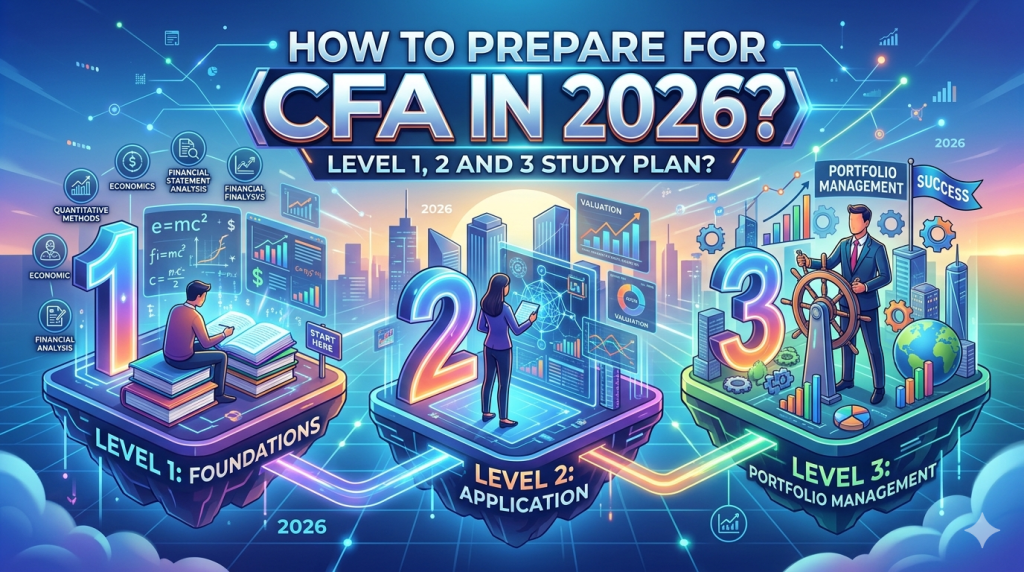


How to Start a Career in Finance After Engineering in 2026: Venkat’s Financial Modelling Journey

Frequently Asked Questions
Everything You Need to Know Before You Get Started
What is a Stock Market Wizard Course?
The Stock Market Wizard course is an intense learning program on how to trade or invest exactly into the stock market. It usually focuses more on technical analysis, fundamental analysis, market trends, risk management, and strategies trading plus various forms of trading. Suitable for a beginner or an expert in trading, the course from Stock Market Wizard should prove to be helpful and of great value for broadening the knowledge of any trading entity.
Who can take up this course?
Individuals seeking to invest In Stock Markets with their own strategies and not Based On Tips Or Through Mutual Funds.
Stock Market Course Eligibility
Is there a minimum education requirement for you to start trading in the stock markets? Well, no! You should be able to understand the basics of stock markets and how financial transactions work. So, you only need to be an investment enthusiast.
TWSS provides one of the best stock market courses in India to anyone who wants to create strategies and invest in the stock markets. Be no longer dependent on random tips to trade in the stock markets.
Job Opportunities after Share Market Courses
Once you complete the stock market course, you can work in many different positions in the top companies around the world. Who can employ you?
- Stock Brokers
- Stock Exchanges
- Clearing Houses
- Registrars
- Mutual Funds
- Investment Bankers
- Insurance Companies
- Pension Funds
- Research Institutes
Can taking a stock market course guarantee profitable investments?
While a stock market course significantly improves participants investment skills and knowledge, it cannot guarantee profitable investments. The stock market is unpredictable, and success relies on factors beyond the course material. The course helps participants to make informed decisions, manage risks, and enhance their chances of success. Always remember that investing carries some element of risks, and individual results will vary based on market conditions and personal choices.
Why The WallStreet School is the Best Place for this Program?
The WallStreet School is indeed famous for its work in practice, so that it is top on the list of candidates who target a Stock Market Wizard Course. The curriculum developed by such industry professionals makes sure it is put to use both practically and in real-life working conditions.
The WallStreet School offers flexible classes including online and offline classes. End. They learn from sessions, live trading simulations, and expert mentoring. Complicated market concepts are made easy to understand.
Anyone serious about mastering the skills of stock trading would really appreciate The WallStreet School because it has complete information and resources on how to succeed in the stock market.
What subjects are covered in the stock market course?
The stock market course covers essential topics such as stock market basics, fundamental and technical analysis, risk management, portfolio management, trading strategies, market psychology, and the use of relevant tools and trading platforms.
These topics provide participants with a well-rounded understanding of the stock market and investment strategies.
Stock Market Course Duration
With 50 hours of cumulative learning material and a validity of 1 year, you can cover the TWSS stock market course at your pace.
Share Market Training Fees in India
t is our commitment to provide learning to all those who wish to learn. Unlike other trading programs, the TWSS stock market course provides comprehensive learning at affordable rates rather than a bits-and-pieces course. The course duration is 1 year and you can gain both theoretical and practical experience with the course. The cost of TWSS share market course fees is Rs. 12,500 only despite the wide course coverage.
Who can benefit from taking a stock market course?
t is our commitment to provide learning to all those who wish to learn. Unlike other trading programs, the TWSS stock market course provides comprehensive learning at affordable rates rather than a bits-and-pieces course. The course duration is 1 year and you can gain both theoretical and practical experience with the course. The cost of TWSS share market course fees is Rs. 12,500 only despite the wide course coverage.
Why Should One Pursue Stock Market Wizard Course?
The Stock Market Wizard Course teaches one the realities of stock trading in an applied and step-by-step manner.
The courses prove to be of great importance to those wanting to be in charge of their finances or to work in a finance career. One gains market analysis and investment strategy to make informed financial choices that may help in returning more. In an ever-changing market, one must know how to trade, manage a portfolio, and mitigate risk in order to succeed.
This course is ideal for anyone interested in capitalizing on stock market opportunities, whether as an investor, trader, or financial advisor.
Average Stock Market Salary
Depending on your aptitude and risk-taking ability, you should choose whether you want to take up a job after pursuing the TWSS stock market course or become a stock market investor. For beginners, the average annual salary can be around 5 lakhs per annum. But with experience, there is a scope for huge growth.
Trading independently is another option. While it is risky and doesn’t guarantee a fixed income, it also gives you the chance to enjoy high profits if your trade calls are correct.
| Job Title | Salary (INR) |
| Fund Manager | 4 – 30 LPA |
| Research Analyst | 4 – 10 LPA |
| Equity Dealer | 3 – 10 LPA |
| Risk Manager | 7 – 25 LPA |
| Independent Trader | Depends on your trades |
| Portfolio Manager | 7 – 20 LPA |
| Investment Manager | 5 – 12 LPA |
| Investment Consultant | 3 – 17 LPA |
| Stock Market Analyst | 3 – 10 LPA |
Have Questions About Something?
Talk to Us
+91-9355057509
Drop an Email
info@thewallstreetschool.com
Visit Us
Corporate Headquarter: 11A, 3rd floor, Block H, Connaught Place, New Delhi - 110001
More From The WallStreet School
- FRM Level 2
- CFA Course
- FMAV Course
- CMA Course
- CFP Course
- ACCA Course
- CIMA Course
- AI for Finance
- Value Investing Course