
Financial Modelling & Valuation Course

Offline classes in Delhi & Mumbai | Live Worldwide
- 100% Placement Support
- Live Hybrid Classes Worldwide
FREE DEMO
We are here to help you!
Results That Are Hard to Ignore
Outcomes that reflect our commitment to real skills, guided learning, and long-term student success.
Trained
Granted
Hours
Operations
Building world-class accounting and finance professionals through rigorous, practical and industry-driven learning.




Super Mentor
CA Himanshu Jain
- 20+ years in investment banking, consultancy, and advisory.
- Worked with Mckinsey, Moody's, and PwC.
- Co-founded ARC Financial Services and The Wallstreet School.
- Provides impactful training at The Wallstreet School.
Super Mentor
CA Manoj Goel
- 19+ years in investment banking and consultancy.
- Worked with Goldman Sachs and Bennett Coleman.
- Co-founded ARC Financial Services and The Wallstreet School.
- Trains talent in investment banking at The Wallstreet School.
Is Financial Modelling the Right Fit for You?
Answer a few quick questions to see how Financial Modelling fits your current skills and career stage, and get a clear next step.
Financial Modelling Certification
Course Curriculum
AI-driven, comprehensive, concept-focused, and industry-focused curriculum.
Module 1: Basic to Intermediate Excel
To efficiently build financial and business models, one needs to take the excel bull by the horns by learning the basics content and then graduating to advanced level content.
The basics of excel will ensure learning and applying for relevant financial formulas, navigating in the model, scaling up speed and starting to creating, formulating and conceiving own formula in given situations. That is how we start
- Mastering the use of keys instead of the mouse for efficient navigation and operations.
- Freezing cells, rows, and columns to keep headers and key data in view.
- Creating and managing linkages essential for building financial models.
- Using VLOOKUP and HLOOKUP functions to search and retrieve data.
- Solving complex problems with combinations like VLOOKUP + MATCH, INDEX + MATCH, and VLOOKUP + IF.
- Converting rows to columns and vice versa with the Transpose function.
- Utilizing table functionalities for dynamic data ranges and structured referencing.
- Calculating loan EMIs using financial functions.
- Performing calculations on arrays of data with the Sum Product function.
- Sorting data efficiently and using advanced filters to overcome limitations of standard filters.
- Applying conditional formatting to make data more insightful and visually appealing.
- Using basic Excel formulas such as SUM, PRODUCT, DIVISION, MULTIPLICATION, Paste Special, and CONCATENATE.
- Finding the relative position of items in an array with the MATCH function.
- Calculating the Compound Annual Growth Rate (CAGR).
- Using logical IF statements for conditional operations.
- Creating and analyzing data summaries with Pivot Tables.
- Understanding and applying absolute, relative, and mixed cell references.
- Performing conditional summing and counting with SUMIF, COUNTIF, and SUMIFS.
- Exploring various applications of the VLOOKUP function.
Module 2: Advanced Excel
Once, the basic brushing is done with excel, now comes more complex formulas which help in coming out with meaty results from piles of voluminous data in a matter of seconds.
- Using complex functions like INDEX, MATCH, and their combinations.
- Mastering array formulas and dynamic arrays.
- Using PivotTables and PivotCharts for data summarization and analysis.
- Performing What-If Analysis including Scenario Manager and Goal Seek.
- Creating dynamic and interactive charts.
- Designing specialized charts such as Waterfall and Thermometer charts.
- Recording and editing macros to automate repetitive tasks.
- Writing and using VBA code for custom automation solutions.
- Implementing Power Query for data transformation and cleaning.
- Creating dashboards with interactive elements.
- Using Conditional Formatting for visual data insights.
- Protecting worksheets and workbooks with passwords and permissions.
- Performing complex financial calculations such as NPV and IRR.
- Using statistical functions for data analysis and interpretation.
- Leveraging AI tools to enhance Excel functionality.
- Applying advanced Excel skills to real-world business problems.
Module 3: AI in Excel
- Introduction to AI in Excel: Revolutionizing Excel with AI tools.
- Excel’s Built-in AI Features: Using Ideas (Insights) and Linked Data.
- Advanced AI Tools in Excel: Power Query for data transformation and Power Pivot for data modeling.
- Predictive Analytics: Forecasting tools and machine learning with Python and R.
- Practical Applications: Real-world case studies and step-by-step project guide.
Module 4: Basic Finance Concepts
Before training you for the rigours of Financial modelling and Valuations, we make you conversant and comfortable with basic finance concepts. These concepts are absolutely critical to mastering any financial and valuation analysis.
- Statement of Financial Position, Statement of Income & Expenses, Cash Flow Statement, different adjustments and their importance
- Defining inter linking and relationships between the three financial statements and how does the accounting flow amongst them
- Ratio Analysis of Financial Statements using major financial ratios including liquidity ratio, asset management ratio, debt management ratio and profitability ratio
- How to determine the financial health of a company using multiple ratios
- 3 Step and 5 Step DuPont Analysis
- Margin of Safety analysis, Break Even point analysis
- Present Discounted Value of Money (Time Value of Money).
Module 5: Financial Modelling
- Structured framework for model design and clarity
- Strategic assumptions setting and scenario planning
- Detailed revenue projection and business unit analysis
- Comprehensive cost structure analysis and optimization
- CapEx planning, asset lifecycle management, and depreciation forecasting
- Working capital efficiency, including AR/AP management
- Integrated financial statements for a holistic financial view
- Advanced financial projections and strategic ratio analysis
- Robust scenario modeling and sensitivity stress testing
- Executive-level reporting and clear communication of financial insights
Module 6: Feasibility Studies
- Advantages of NPV over IRR for assessing financial viability.
- Building dynamic business models with multiple scenarios using XIRR and MIRR.
- Developing and justifying assumptions before starting a business model.
- Calculating cost of capital using WACC and CAPM formulas
- Determining free cash flows to the firm and free cash flows to equity for assessing project profitability.
- Covering real-life case studies across various sectors to understand how to assess the financial viability of a project before committing to any investment.
Module 7: DCF Valuation
- Understanding the concept and importance of Discounted Cash Flow (DCF) valuation.
- Building detailed cash flow forecasts.
- Free Cash Flows vs Normal Cash Flows
- How to decide projection period (high growth period of a business)
- Free Cash Flows to Firm vs Free Cash Flows to Equity
- Treatment of specific non-cash items in calculation of Free Cash Flows
- Calculating the Weighted Average Cost of Capital (WACC).
- How to determine current cost of debt
- Impact of sovereign rating based default spread in risk free rate
- Estimation of Equity risk Premium (ERP)
- Types of risk included in Beta
- Levered vs Unlevered Beta
- How to calculate beta for a private company
- Impact of Target Capital Structure on Cost of Equity (Ke)
- When to consider Size Premium in calculation of WACC
- Estimating terminal value using perpetuity growth and exit multiple methods.
- Performing sensitivity analysis to assess the impact of key assumptions.
- Comparing DCF valuation with other valuation methods.
- Applying DCF valuation to real-world companies.
- Using DCF valuation in investment decision making.
Module 8: Trading Comps
- Understanding the concept and importance of Discounted Cash Flow (DCF) valuation.
- Building detailed cash flow forecasts.
- Free Cash Flows vs Normal Cash Flows
- How to decide projection period (high growth period of a business)
- Free Cash Flows to Firm vs Free Cash Flows to Equity
- Treatment of specific non-cash items in calculation of Free Cash Flows
- Calculating the Weighted Average Cost of Capital (WACC).
- How to determine current cost of debt
- Impact of sovereign rating based default spread in risk free rate
- Estimation of Equity risk Premium (ERP)
- Types of risk included in Beta
- Levered vs Unlevered Beta
- How to calculate beta for a private company
- Impact of Target Capital Structure on Cost of Equity (Ke)
- When to consider Size Premium in calculation of WACC
- Estimating terminal value using perpetuity growth and exit multiple methods.
- Performing sensitivity analysis to assess the impact of key assumptions.
- Comparing DCF valuation with other valuation methods.
- Applying DCF valuation to real-world companies.
- Using DCF valuation in investment decision making.
Module 9: Transaction Comps
- Overview of Transaction Comparables (Comps) and their strategic importance
- Selecting appropriate comparable transactions
- Collecting and validating transaction data
- Adjusting data for consistency and comparability
- Calculating key valuation multiples
- Building a comprehensive transaction comps table in Excel
- Interpreting and analyzing transaction comps for actionable insights
- Assessing market conditions and deal-specific factors
- Applying concepts through real-world case studies
Module 10: Football Field Analysis
- Understanding the concept and purpose of Football Field Analysis.
- How football field analysis is presented by analysts in pitch decks.
- How football field analysis helps in deciding the overall valuation range of a target company.
- Preparation of floating bar or column charts to represent the valuation range of a target company.
- Understanding how football field analysis helps both buyers and sellers in an M&A deal in deciding the deal price.
Module 11: M&A and Case Studies
- Introduction to Mergers and Acquisitions
- Types of Mergers: Horizontal, Vertical, Conglomerate
- M&A Process Overview: Pre-transaction, Transaction, Post-transaction
- M&A Deal Structures
- Due Diligence Process: Financial, Legal, Operational
- Valuation Techniques for M&A: Comparable Company Analysis (CCA), Precedent Transaction Analysis (PTA), Discounted Cash Flow (DCF) Analysis
- M&A Modeling: Building M&A models in Excel
- Synergies Analysis: Identifying and quantifying synergies
- Deal Financing: Debt, Equity, Cash
- Regulatory and Legal Considerations in M&A Transactions
- Learn to analyze real-world financial scenarios and devise strategic solutions.
- Case studies and practical applications
Module 12: Leverage Buyout
- LBO Model (Valuation)
- LBO – Transaction assumption
- LBO – Debt assumption
- LBO – Goodwill Calculation
- LBO – Closing Balance Sheet
- LBO – Income Statement
- LBO – Balance sheet
- LBO – CFS
- LBO – Key Metrics
Module 13: Pitch Book
- Articulating the purpose and essential components of a pitch book in investment banking and finance.
- Developing compelling narratives to effectively communicate the value proposition of deals and investment opportunities.
- Creating visually impactful presentations with professional design and layout techniques.
- Integrating financial analysis, market research, and industry insights to substantiate the investment thesis.
- Tailoring pitch books for specific audiences, including clients, investors, and key stakeholders.
- Utilizing storytelling techniques and data visualization to present complex information clearly and persuasively.
- Employing pitch books as a strategic tool to attract investors and secure financing in the deal-making process.
Module 14: Power BI & Python
- Basics of importing and transforming data using Power BI and Python.
- Introduction to creating basic visualizations in Power BI and Python.
- Overview of data modeling, relationship building, and simple analysis techniques in Power BI and Python.
- Basics of advanced analytics concepts and simple machine learning applications in Power BI and Python.
- Introduction to integrating Power BI with other tools and basic automation using Python scripts.
Module 15: Future & Options
- Gain an in-depth understanding of the futures and options (F&O) segment in the equity market.
- Learn about sophisticated trading strategies employed by professional traders, including hedging, speculation, and arbitrage.
- Explore techniques to manage and mitigate risks associated with F&O trading.
- Apply theoretical knowledge to real-world scenarios through case studies and practical exercises.
- Enhance your ability to analyze market trends and data for informed decision-making in the F&O market.
Financial Modelling Course Fees & Admissions
Build practical skills in Business Valuation, Corporate Finance and Equity Research through structured, hands-on learning. On completing the assessments, you receive certification from The Wall Street School and become eligible for placement assistance.
Financial Modelling & Valuation (8 Weeks)
8 Weeks Program (Instructor Led, Live Online +Classroom)
- 240 Hours of Training
- Candidates have access to the Learning Portal
Admission Process: Admission to the program begins with a short eligibility interview conducted over a phone call by one of our faculty members. A nominal fee of ₹1,000 is charged for the interview process.
- In case you clear the interview, the fee is adjusted in your overall fixed fee
- In case you don’t clear the interview, the fee is refunded
₹ 50,000 + GST
Course Fee is divided into two parts , Fixed Training fee and Success Based Placements Fee (chargeable only if candidates get placed through the efforts of The Wall Street School )
- Training Fee: Rs 50,000 +GST
- Placement Fee: Rs 75,000/- (Success based variable fee)
Financial Modelling & Valuation (3.5 Months)
3.5 Months Weekend (Instructor Led, Live Online +Classroom)
- 170 Hours of Training
- Candidates have access to the Learning Portal
You can reserves your seat by making a booking amount of Rs 15,000/-. Balance you need to pay before the start of the workshop
₹ 50,000 + GST
Course Fee is divided into two parts , Fixed Training fee and Success Based Placements Fee (chargeable only if candidates get placed through the efforts of The Wall Street School )
- Training Fee: Rs 50,000 +GST
- Placement Fee: Rs 75,000/- (Success based variable fee)
Real Results Since 2009
Learn practical, job-ready financial modelling through real company case studies and hands-on Excel training, guided by CA Manoj Goel and CA Himanshu Goel. Gain industry skills, career guidance and placement support to step confidently into corporate finance and valuation roles.
Trained
Granted
Hours
Operations
Love From Our Students
Explore firsthand accounts of student experiences. Hear their stories, triumphs, and insights that make our community exceptional. Real voices, real impact.
FM&V Course Related Posts
Fresh Thinking and Practical Wisdom for Tomorrow’s Finance Leaders

The Modern Financial Modeler’s Stack: Why You Need Python and Power BI Alongside Excel in 2026?

Financial Modeling After CA: How to Unlock High-Paying Finance Roles in India?
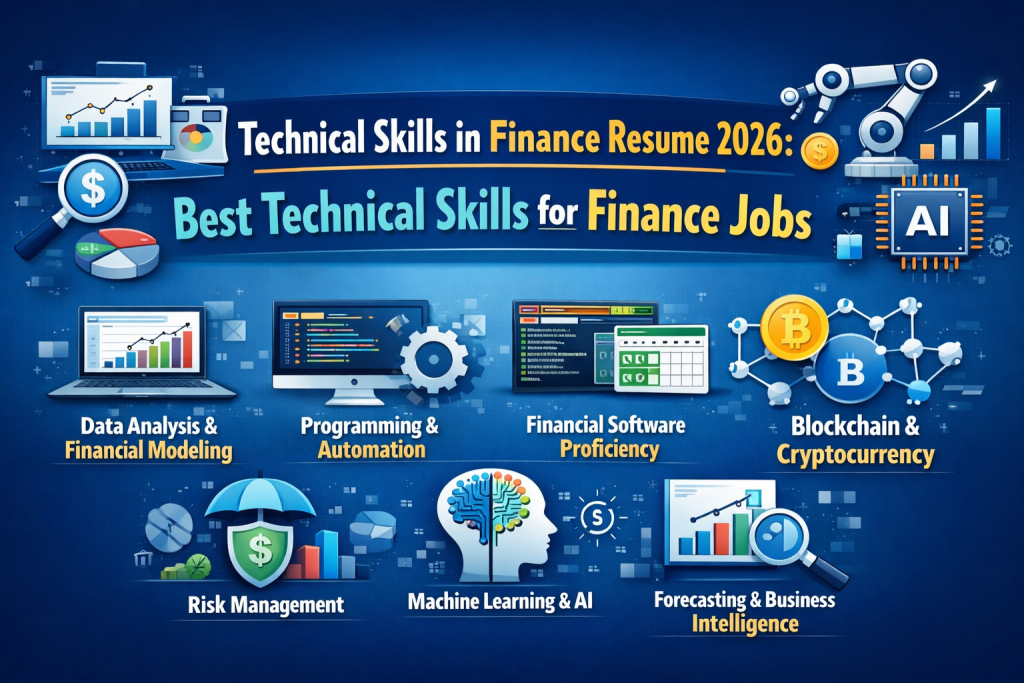
Technical Skills in Finance Resume 2026: Best Technical Skills for Finance Jobs

Is a Financial Modelling Course Worth It After BBA or PGDM? Atishay’s Journey Answers the Question
Frequently Asked Questions
Everything You Need to Know Before You Get Started
What is the financial modelling course?
Financial modeling refers to the process of devising a financial plan for a business. Usually, a financial modeling course covers the theoretical aspects and methods of valuation. On the other hand, The Wall Street School FMVA certification is focused on providing practical experience to its students with the help of innovative learning methods and experienced faculty members. The TWSS financial modeling and valuation course makes you adept at using modern-day tools like Excel along with real-time simulations and case studies.
What is the valuations?
Valuations refer to the process of determining the present value or worth of an asset, company, or investment. It involves analyzing various financial metrics, market conditions, and potential future earnings to estimate how much something is currently worth. In financial modeling, valuation is a crucial component, as it helps in making informed business decisions, whether for mergers and acquisitions, investment purposes, or strategic planning.
While many courses focus on the theoretical aspects of valuation, The Wall Street School’s FMVA certification emphasizes hands-on experience. Our program combines practical training with real-world simulations, case studies, and modern tools like Excel, enabling students to become proficient in valuation techniques and apply them effectively in real-world scenarios.
Is financial modeling difficult?
As a financial modeling expert, you can land high-paying jobs like investment banking, corporate finance, budget management, risk management, portfolio management, etc. These are dream roles for a candidate pursuing the FMVA certification. Apart from this, there are also more opportunities for growth in your career as you gain experience in the field.
Is financial modeling a good career?
A career in financial modeling can land you in high-paying and challenging job roles with big companies. On average, you can earn anywhere between Rs. 6-25 lakhs in your career after completing the TWSS Financial Modeling and Valuation Course.
What is the scope of financial modeling?
As a financial modeling expert, you can land high-paying jobs like investment banking, corporate finance, budget management, risk management, portfolio management, etc. These are dream roles for a candidate pursuing the FMVA certification. Apart from this, there are also more opportunities for growth in your career as you gain experience in the field.
Which is better, CFA or Financial Modeling?
CFA (Certified Financial Analyst) is a professional who is responsible for financial reporting and analyzing the various aspects of a business’s performance to aid decision-making. On the other hand, Financial modeling is the study of using past data prepared and analyzed by the CFA and creating a financial plan for the upcoming period. In simple terms, CFA is backward-looking while the Financial modeling course is forward-looking. So, both careers are complementary to one another.
When it comes to the duration of the course, Financial modeling beats CFA by quite a margin. While it takes at least 36 months to complete all levels of the CFA exam, the TWSS Financial Modeling and Valuation Course can be completed within 2.5 months allowing you to start earning quickly.
What is the Financial Modeling Salary in India?
Once you complete the TWSS FMVA certification, you become a financial modeling expert. Although the starting salary can hover in the range of Rs. 6-9 lakhs p.a., as you gain experience and start taking up challenging roles, you can expect huge career growth with salaries in the range of Rs. 25-30 lakhs p.a.
What skills do you need for financial modeling?
While pursuing the financial modeling course, you should focus on developing the following skills:
- Thorough understanding of accounting methods and concepts
- Advanced Knowledge of
- Tools like Excel
- Ability to forecast based on historical data and financial models
- Framework for preparation of financial models
- Data Analysis
- Creativity & Presentation Skills
- Technology and Industry Specific Knowledge
What is the advantage of doing financial modeling?
Financial modeling is commonly used for making major business decisions. It helps in projecting future earnings of the company across various scenarios and identifying potential risks associated with specific business decisions. Creating a financial model enables testing different scenarios to assess the viability, risks, and potential benefits of a business plan.
What is covered in the Financial Modelling course structure?
- The course covers Excel fundamentals, financial statement analysis, financial modelling, business valuation, budgeting, forecasting, and real-world case studies to help you build practical, job-ready skills.
Is the Financial Modelling course more practical or theoretical?
- The structure is highly practical. Most sessions involve hands-on Excel work, live model building, and solving real company scenarios rather than only theory-based lectures.
Key features of the TWSS financial modeling course
- 180 hours of intensive and hardcore finance training
- Live classroom learning in Delhi and Mumbai
- Live hybrid classes across the world
- Access Pre-recorded classes anytime, anywhere
- Learn about key concepts of finance through practical training with real case studies, simulations, and examples
- Intensive breakthrough sessions discussing real-life scenarios and finding modern solutions
- Focus on learning and skill development rather than chasing the degree to make you well-equipped.
Given the highly comprehensive curriculum and our focus on imparting practical training, the TWSS Financial Modeling Course is immensely popular. 25,000+ students across the world have been trained and certified by our elite faculty panel over 255+ Live and classroom sessions. You can pursue the FMVA certification if you are a:
- Chartered Accountant or CA Final student
- CFA or CFA students
- ACCA student
- FRM students
- Engineer
- MBA student
- Graduate or Undergraduate
- Interested in the domain of Finance
After completing the certification from The Wall Street School, you can make a dream career in fields like:
- Investment Banking
- Corporate Finance
- Finance Consulting
- Credit Consulting
- Equity Research
- Portfolio Management
- Wealth Management
Enroll for the TWSS Financial Modeling and Valuation Course to get a head start on your career! Over the past few years, we have built a super strong network of TWSS alumni who are working across the length and breadth of the world, mostly in Fortune 500 companies.
The stats speak for themselves. Our elite cadre of alumni makes the placement assistance exercise truly effective!
One of the biggest USPs of our financial modeling course is, the Co-Founders of The Wall Street School owning an Investment Bank themselves. So, the training modules are customized for basic and real practical case scenarios by making the entire learning experience terse, compelling, and loaded with a practical perspective. You, as a candidate, not only leave with the FMVA certification, but also become more resourceful, more skillful, and a better version of yourself. We at TWSS pride ourselves in creating a lifelong bond with you going beyond the perimeters of the classroom. As we said earlier, the focus of our course is to impart practical training.
As a result, many Fortune 500 companies and top consulting firms sponsor their employees to be part of the Financial Modelling and Valuations course training from The Wall Street School. This makes our certification widely accepted and extremely valuable. Becoming a part of our elite alumni group brings you directly on the radar of all the big corporates. As our Placement team room is always buzzing with requirements from different companies, you can be assured of landing your dream job. Join the course now! Why do companies prefer candidates pursuing TWSS financial modeling courses? Because they are:
- Highly Skillful
- Job-ready, reducing the turnaround time for recruitment
- Accessible Pan India
- Available throughout the year (non-seasonal)
One of the Hallmarks of The Wall Street School is transparent placements. A Live update of the Placements of candidates is available HERE. LinkedIn IDs of All candidates are available so you can independently take the feedback.
What is Financial Modelling and Valuations?
What is Financial Modeling:
- Creating Financial Blueprints: Developing models to simulate a company’s financial future.
- Analyzing Scenarios: Helps in assessing various business strategies and their financial outcomes.
- Supporting Business Decisions: Used by professionals for mergers, acquisitions, and investment planning.
- Versatile Skillset: Essential for roles in finance, consulting, and corporate strategy.
What is Valuations:
- Assessing Financial Health: Determines the present worth of a business or asset.
- Multiple Techniques: Includes methods like DCF, market comparisons, and precedent transactions.
- Guiding Investment Choices: Vital for making informed investment and acquisition decisions.
- Industry-Wide Application: Used across sectors like investment banking, private equity, and corporate finance.
Who is eligible for Financial Modeling and Valuations Program?
- Meant for CAs who are not interested in Audit or taxation or accounting but core
- Meant for CA final students who want to make a career in the field of Finance
- Meant for MBA Finance students who were ‘sold’ MBA in Finance but are working in banks selling insurance, mutual funds, CASA products
- Meant for resolute female participants who took a career break on account of marriage or maternity and want to restart their career
- Meant for undergraduate who want to understand the finer nuances of Finance
- Meant for engineers who want to make a career in the field of Finance
- Meant for anyone who wants to make career in Investment Banking, Equity research, Corporate Finance, Investment Banking
What career opportunities can one pursue after completing the certification?
- Investment Banking: Work on mergers, acquisitions, and capital raising.
- Corporate Finance: Manage a company’s financial strategy and operations.
- Finance Consulting: Advise on financial planning and business strategies.
- Credit Consulting: Assess and manage credit risk for lending institutions.
- Equity Research: Analyze stocks and provide investment recommendations.
- Portfolio Management: Oversee and optimize investment portfolios.
- Wealth Management: Offer tailored financial planning and investment services.
- Risk Management: Identify and mitigate financial risks.
- Private Equity: Invest in and manage private companies for value creation.
- Financial Planning: Develop comprehensive financial strategies.
- Financial Analyst: Analyze financial data to guide business decisions.
- Valuation Analyst: Determine the value of companies and assets for various purposes.
Why Choose The WallStreet School for Financial Modeling and Valuations Program?
- Proven Success: Over 25,000+ students trained globally with more than 5,000 successfully placed in top firms.
- Most Detailed Curriculum: Comprehensive, in-depth coverage of all financial modeling and valuation aspects.
- Elite Faculty: Led by industry experts from McKinsey, EY, HSBC, and Goldman Sachs, bringing real-world experience to the classroom.
- Strong Alumni Network: Connect with professionals in top Fortune 500 companies.
- Real-World Application: Gain practical insights from scenarios provided by a working investment bank.
- Widely Recognized Certification: Endorsed by top firms, significantly boosting your career prospects.
- High Placement Rates: Effective and transparent placement support with a high success rate.
- Continuous Learning: Lifelong access to resources and a supportive professional community.
- Flexible Learning Options: Year-round availability with both live and recorded sessions.
Why The WallStreet School is the Best Place for this Program?
The WallStreet School is highly known to provide the Best Course for Financial Modeling in an Investment Banking context. Highly placed on real-world training, The WallStreet School consists of highly experienced faculty with a rigorous practice curriculum. Their course consists of real case studies and detailed modules which provide the training in topics including valuation, mergers and acquisitions. They train in both online and offline format.
It is considered feasible for students across this great nation. This is because commitment to quality is in each of its classes; here, you learn investment banking, private equity, and corporate finance.
Under guidance, resourcefulness, and industry relevance, WallStreet School stands as a platform for any serious financier, be it investment, equities, or finance itself.
Why Should One Pursue Financial Modeling Course?
One of the best things to pursue in this regard is a Financial Modeling Training Course for those who want to build their careers in finance or investment banking.
Specialized skills like these are highly valued because they provide professionals with the ability to understand financial projections, take risks, and make decisions based on data. Specifically, the Investment Banking Financial Modeling Course is highly valuable to those looking for investment banking roles, as it has hands-on experience with financial statements, valuation methods, and complex forecasting.
Several industry experts recommend Wall Street Financial Modeling Course to students for the hands-on approach it provides with theoretical and applied knowledge.
Following this course, one becomes a financial analyst, an investment banker, or even a financial consultant with immense demand for modeling skills.
What makes the Financial Modelling and Valuations Course by TWSS different from other finance programs in India?
- The Financial Modelling and Valuation Course TWSS is designed as a practical finance training program, focusing on real-world applications used in investment banking, corporate finance, and private equity. Unlike theory-heavy programs, it emphasizes hands-on financial modelling, DCF valuation, AI in financial modelling, and Excel for financial modelling, making it one of the best financial modelling courses in India.
Is this financial modelling course in India suitable for working professionals?
Yes, this financial modelling course in India is ideal for both fresh graduates and working professionals seeking finance professional upskilling courses. With flexible formats including live online and classroom learning, it allows learners to upskill without interrupting their careers.
Does the financial modelling course with placement offer real placement assistance?
Yes, the financial modelling course with placement includes structured placement assistance for finance courses. After successful certification, eligible candidates receive career guidance, interview preparation, and access to opportunities across investment banking, corporate finance, and valuation roles.
What career paths can I pursue after completing this financial modelling certification in India?
After completing the financial modelling certification in India, learners can pursue careers such as:
Investment Banking Analyst
Corporate Finance Associate
Equity Research Analyst
Private Equity Analyst
Valuation and M&A Analyst
This makes it highly suitable for anyone planning a career in investment banking or advanced finance roles.
How does this program compare to CFA when evaluating CFA vs financial modelling?
In a CFA vs financial modelling comparison, CFA focuses on theoretical finance and portfolio management, while this program emphasizes practical financial modelling, valuation methods training, and deal-based learning. Many learners choose this course for faster job readiness in finance roles.
Is this an investment banking course with placement?
Yes, this program functions as an investment banking course with placement, covering industry-relevant tools, valuation techniques, and real-world case studies used by global investment banks and consulting firms.
Can I learn financial modelling online through this program?
Absolutely. You can learn financial modelling online through instructor-led live sessions, supported by recorded content, assignments, and doubt-solving sessions, making it suitable for learners across India.
How does this course support a career in private equity and corporate finance?
The program includes valuation methods training, LBO modelling, and corporate finance training courses, making it suitable for those aiming to become private equity analysts or corporate finance professionals.
Is this considered one of the best institutes for financial modelling?
Yes, TWSS is widely regarded as a best institute for financial modelling due to its industry-experienced trainers, placement-driven structure, and focus on practical finance training aligned with market needs.
Are beginners eligible for this financial modelling training institute?
Yes, this financial modelling training institute accepts graduates, postgraduates, CA/CFA aspirants, and early-career professionals. Basic finance knowledge is helpful but not mandatory, as the program starts from fundamentals.
Does the course help with financial modelling career scope in India?
Yes, the course significantly enhances financial modelling career scope in India by aligning skills with employer expectations in investment banking, consulting, valuation, and corporate finance roles.
How does AI in financial modelling add value to this program?
The inclusion of AI in financial modelling helps learners automate analysis, improve forecasting accuracy, and work efficiently with large datasets—skills increasingly demanded by modern finance teams.
Can this certification help me transition into investment banking from another domain?
Yes, this investment banking certification in India is ideal for career switchers. With structured learning, case studies, and placement assistance, it supports smooth transitions into core finance roles.
Is this suitable for students searching for financial modelling classes near me?
Yes, whether you’re looking for financial modelling classes near me, financial modelling coaching near me, or a financial modelling institute near me, the program offers both city-based and online options across India.
What kind of certification do I receive after completing the course?
Upon completion, learners receive a financial modelling certification in India issued by The Wall Street School, which is recognized by finance professionals and recruiters across corporate and financial institutions.
Why is this considered one of the best financial modelling courses in India?
It combines practical finance training, placement assistance, expert faculty, real-world valuation projects, and coverage of modern tools—making it one of the best financial modelling courses in India for serious finance aspirants.
Have Questions About Something?
Talk to Us
+91-9355057509
Drop an Email
info@thewallstreetschool.com
Visit Us
Corporate Headquarter: 11A, 3rd floor, Block H, Connaught Place, New Delhi - 110001
More From The WallStreet School
- FRM Level 2
- CFA Course
- FMAV Course
- CMA Course
- CFP Course
- ACCA Course
- CIMA Course
- AI for Finance
- Value Investing Course