
How to Get CFP Certification in India
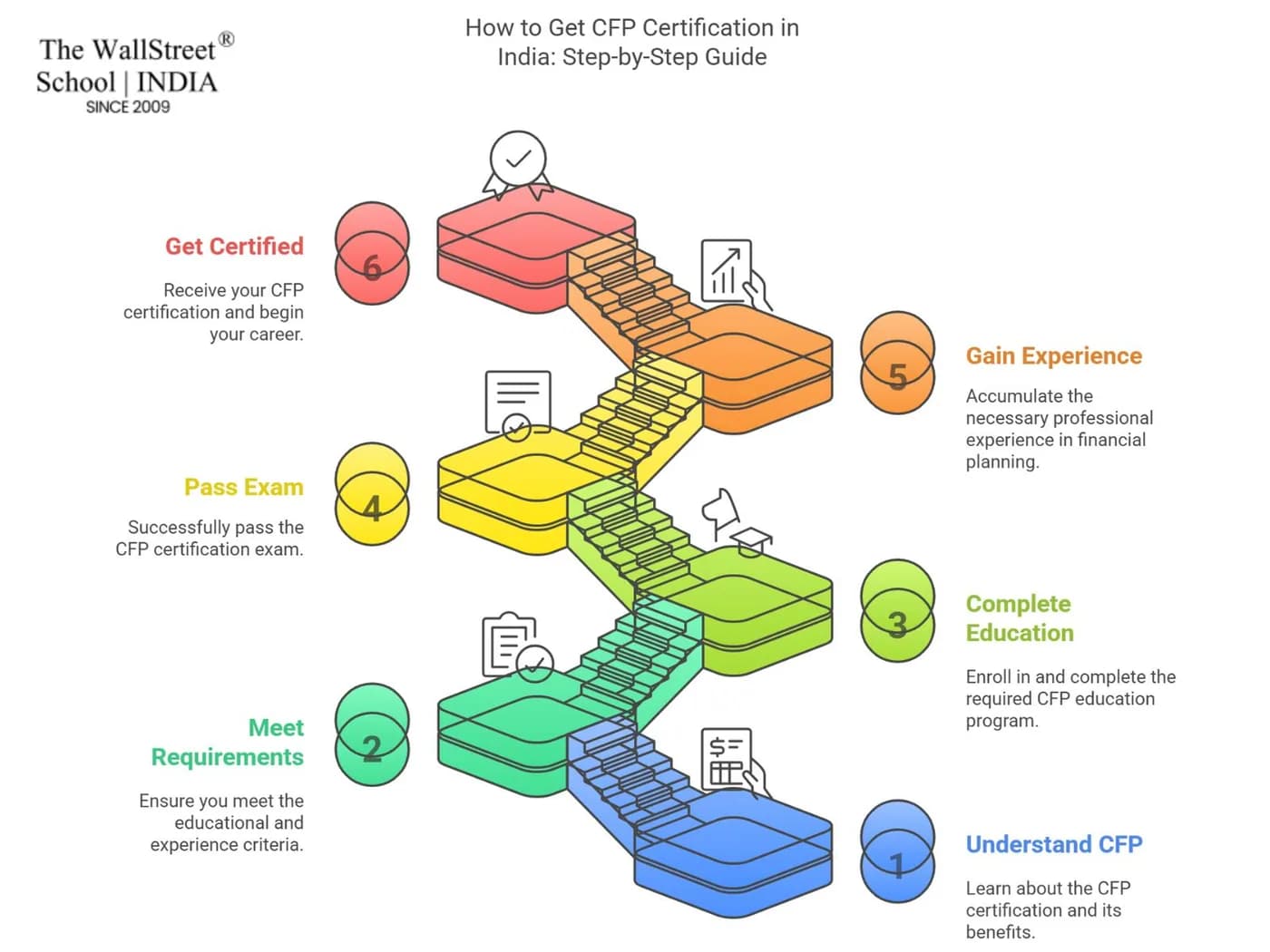
Financial planning has become a serious career option in recent years. With rising incomes and a growing middle class, more people now look for professional advice on where to put their money. A CFP certification in India can make a real difference here. It stands for Certified Financial Planner, a globally recognised credential for people who want to guide others on personal finance.
The process isn’t overly complex, but it does require careful steps and real commitment. Here’s a full guide to help anyone who’s interested in becoming a Certified Financial Planner in India.
What Is CFP Certification?
The CFP certification in India is offered by the Financial Planning Standards Board (FPSB). This body sets global standards and is responsible for keeping the credibility of the certification intact. In India, FPSB India had earlier handled it, but now, the global body directly runs it here as well.
The certification is recognised across the financial services industry. Banks, mutual fund houses, insurance companies, and wealth management firms all look favourably at CFPs.
Who Can Apply?
There are no strict educational barriers to starting the CFP journey. Anyone who has passed Class 12 can begin. But to be certified, a candidate must have either:
- A graduate degree
- Or pass the CFP exams and later complete a degree and relevant work experience
So, you can begin early, even as a student, and complete the rest while you work or study.
Two Pathways to CFP Certification in India
There are two main ways to get the CFP certification in India, the Regular Pathway and Challenge Status Pathway. The choice depends on your background.
| Pathway | For Whom | Exam Structure | Education Requirement |
| Regular Pathway | Freshers or those new to finance | 5 exams | Class 12 minimum to begin |
| Challenge Status Pathway | CA, CFA, LLB, PhD, MBA (Finance), etc. | 1 final exam | Graduation + work experience |
If you’re from a finance background and already have a professional qualification, you can take the fast-track route via the Challenge Status pathway. Others should stick with the Regular Pathway.
How the Regular Pathway Works
Most students in India go through the Regular Pathway. It involves studying five modules and passing each of their exams:
- Introduction to Financial Planning
- Risk Analysis & Insurance Planning
- Retirement Planning & Employee Benefits
- Investment Planning
- Tax Planning & Estate Planning
After clearing these, you can sit for the final integrated CFP exam. Once you pass and have three years of work experience in relevant areas, you’re eligible for certification.
Most people take about 12–18 months to finish all five modules if they study consistently. Working professionals may take slightly longer depending on time and energy levels.
Where to Study From?
You can prepare for the CFP certification in India through self-study or by joining an approved education provider. These are training institutes or platforms that teach the modules and help you prepare for the exam.
Make sure the provider is recognised by FPSB. Some students prefer live classes, others choose recorded video lectures, or written material. Pick what suits your learning style best.
What Is the Exam Format?
All CFP exams are conducted online at approved centres. The format includes multiple-choice questions (MCQs), case-based questions, and time-bound scenarios.
Each module exam is 2 hours long, while the final integrated exam runs for 4 hours. It covers all areas together and checks if the student can apply their knowledge practically.
Results are usually declared within a few weeks. Candidates who fail can reattempt by paying the exam fee again.
Validity and Renewal
The CFP certification in India stays valid as long as the person continues to meet professional standards. You will have to:
- Earn 30 Continuing Education points every 2 years
- Adhere to the FPSB code of ethics
- Pay an annual renewal fee
If someone doesn’t keep up with this, their certificate becomes inactive.
Career Opportunities
The flexibility of the CFP role makes it popular among both salaried and self-employed professionals. Many CFPs also work independently and take up private clients.
However, once you complete the CFP certification in India, you can also work as:
- A financial planner
- Wealth manager
- Investment advisor
- Insurance planner
- Retirement consultant
Final Thoughts
The demand for trustworthy financial advisors in India is growing steadily. With increasing investor awareness and better access to financial products, people are no longer relying on random advice from friends or family. They want skilled professionals with formal training. That’s where CFP certification in India gives you a clear edge.
If you’re serious about making a mark in this space, structured preparation is key. This is where a training institute can help you save time and avoid confusion. One such reputed name is The WallStreet School. Their approach focuses on real understanding, exam readiness, and industry insights. Whether you’re a student or a professional, they can guide you at every step of the journey.
Frequently Asked Questions
- Can I do CFP after Class 12?
Yes, you can start under the Regular Pathway. You’ll need to complete graduation and work experience to get certified later. - Is CFP valid outside India?
Yes, the certification is recognised in 27+ countries including the US, UK, Canada and Australia. However, local regulations may vary, so check before applying abroad. - How long does it take to complete CFP certification in India?
Usually 12–18 months for Regular Pathway students. Professionals using the Challenge Status Pathway can complete it in under a year.
- Can I work while preparing for CFP?
Yes. Many working professionals prepare alongside their jobs. Weekend batches and online formats help a lot with time management.
Interested in Learning Finance Professionally?
Our courses take you from fundamentals to expert level — with live mentors and placement support.
Explore Our Courses