
Is a CFP Certification Worth It? Unlocking Career Benefits & Lucrative Opportunities
Financial planning is a growing field. Clients want trusted advisors who can manage wealth, investments, and retirement goals. The Certified Financial Planner (CFP) certification is the gold standard in this industry.
It does more than add a title, which is enhancing the credibility, expanding career opportunities, and setting you apart in the industry. So, is it worth the effort? Let’s explore the CFP certification course benefits, career scope, and earning potential.
What is CFP certification?
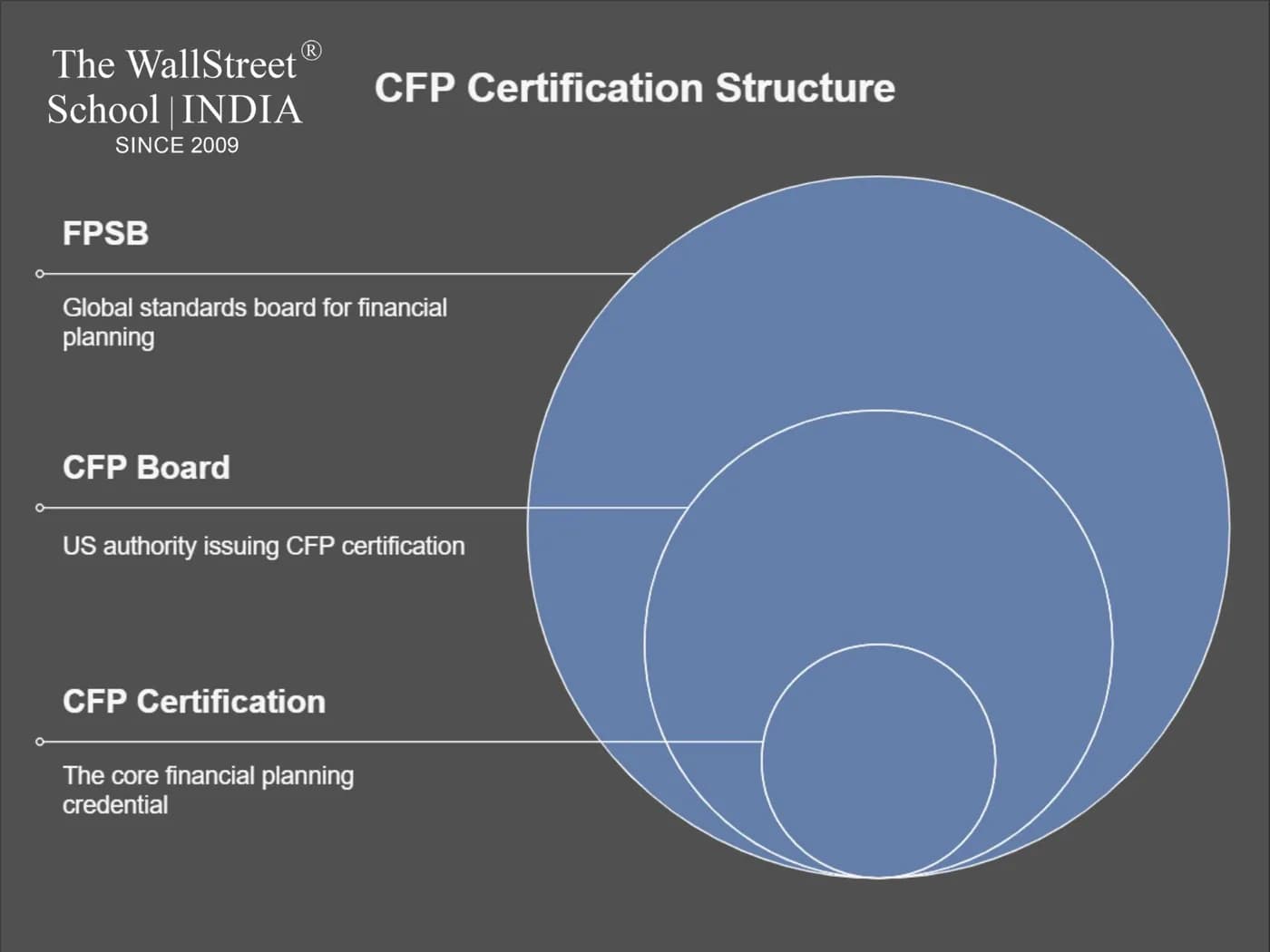
The CFP certification is issued by the Certified Financial Planner Board of Standards (CFP Board) in the US and by the Financial Planning Standards Board (FPSB) in other regions.
The certification proves expertise in financial planning, risk management, taxation, estate planning, and retirement solutions. To earn it, candidates must:
- Complete an FPSB-registered education program.
- Pass the rigorous CFP exam.
- Have relevant work experience (varies by country).
- Adhere to ethical and professional conduct standards.
Who should get a CFP certification?
The CFP certification is ideal for:
- Finance professionals looking for career growth.
- Bankers and investment advisors who want better job opportunities.
- Entrepreneurs aiming to start financial planning firms.
- Accountants and tax professionals are expanding their expertise.
CFP certification course benefits
For those interested in wealth management and financial advisory roles, CFP is the best choice. The reasons are:
- High earning potential: CFPs earn significantly more than non-certified advisors. According to CFP Board data, certified professionals earn up to 10% more than their non-certified peers.
- Global recognition: The CFP designation is accepted worldwide, including in the US, Canada, India, Australia, and Europe. This makes it easier to secure jobs in multinational firms.
- Industry demand: The demand for skilled financial planners is growing. The US Bureau of Labour Statistics projects a 17% growth in personal financial advisor jobs by 2033.
- Career flexibility: CFPs can work in multiple roles, including:
| Job role | Employer | Average salary |
| Associate Advisor | Wealth management, financial advisory firms, investment firms | INR 2 – 14 lakhs |
| Personal Financial Planner | Banks, financial planning firms, insurance companies | INR 1 – 8 lakhs |
| Wealth Management Advisor | Private banks, asset management firms, family offices | INR 2 – 16 lakhs |
| Estate Manager | Legal and trust advisory firms | INR 3.3 – 14.4 lakhs |
| Client Advisor | Financial planning firms, investment advisory firms, brokerage firms | INR 3.1 – 9.5 lakhs |
- Trust and credibility: A CFP certification builds trust. Clients prefer certified professionals because they follow ethical standards and fiduciary responsibilities.
- Competitive advantage: The financial industry is competitive. A CFP certification course benefits professionals by making their profiles stand out. Employers prioritise CFPs over non-certified advisors.
How the CFP certification course benefits other credentials
Several professionals in finance pursue CFP certification to enhance their expertise. It adds credibility and expands career opportunities. Those with finance, accounting, or legal backgrounds find it especially valuable.
| Credential | CFP certification course benefits |
| For CPA | It adds financial planning expertise to tax and audit knowledge |
| For CFA | CFP complements its investment analysis with personal finance skills |
| For CHFC | It helps expand the focus to holistic wealth management |
| For CLU | It strengthens expertise in estate planning and insurance |
| For attorney | CFP helps legal professionals offer financial advisory services |
Cost and ROI of CFP certification
The cost of earning a CFP certification varies by country. In the US, total expenses (exam fees, courses, and materials) fall between approximately USD 2,400 and USD 5,100. In India, it might take you around INR 1.5 lakhs.
But what about the return the candidates get? In return, they can easily earn INR 10-15 lakhs in India. The investment pays off within 1-2 years of working in the field. Their top recruiters are:
| Banks and financial institutions |
|
| Investment and wealth management firms |
|
| Global corporations and fintech |
|
Is a CFP certification worth it?
The CFP certification course benefits professionals with better salaries, career growth, and job security. It is one of the most valuable finance certifications for personal financial planning.
For anyone serious about a financial advisory career, the CFP certification is a smart investment. Start today and shine bright!
FAQs
- Is CFP certification only useful in the financial sector?
While primarily valued in finance, CFP professionals also find roles in fintech, insurance, corporate advisory, and even legal firms. The certification’s broad applicability makes it a valuable asset across multiple industries.
- What skills does a CFP-certified professional gain?
CFP professionals develop expertise in financial planning, tax strategies, investment management, estate planning, and retirement planning. They also refine analytical, problem-solving, and client communication skills essential for career growth.
- Does a CFP certification course benefit a global career?
The CFP designation is acknowledged in over 25 countries, including the US, Canada, India, Australia, and the UK. CFP professionals can work in multinational firms or relocate to countries with strong financial markets.
Interested in Learning Finance Professionally?
Our courses take you from fundamentals to expert level — with live mentors and placement support.
Explore Our Courses